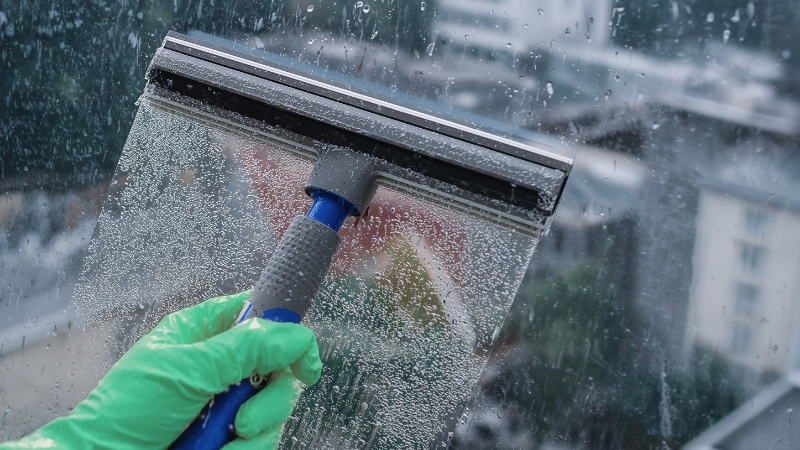
Windows in Sydney get dirty faster than most homeowners expect — and faster than in most other Australian cities. The combination of coastal salt air, urban pollution, and Sydney's humid climate creates a window cleaning challenge that's genuinely ongoing rather than occasional. Understanding why Sydney windows need more frequent cleaning helps you plan a maintenance schedule that keeps them clear year-round.
Why Salt Air Makes Such a Difference
Salt particles carried on sea breezes don't just land on windows — they bond to the glass. Salt is hygroscopic (it attracts moisture from the air), which means salt deposits on windows accumulate additional grime and moisture on top of themselves, creating a compounding film that becomes increasingly difficult to remove the longer it's left.
In Bondi, Coogee, Randwick, and other Eastern Suburbs within a few kilometres of the coast, salt air is a daily reality. Windows facing the ocean or east can need cleaning as frequently as monthly during periods of strong sea breezes. Even two to three kilometres inland in suburbs like Paddington and Surry Hills, salt air influence is noticeable.
Urban Dust and Pollution
Suburbs closer to arterial roads — across the Inner West in Marrickville, Leichhardt, and Newtown — face a different but equally persistent challenge. Road dust, vehicle emissions, and construction activity (Sydney is perpetually under development) create a fine film on windows that dulls their clarity and is exacerbated by rain, which makes the film uneven.
Post-rain windows often look worse than before-rain windows for this reason. The water lifts the surface dust, redistributes it, and then evaporates, leaving water marks and dust concentrations in new patterns.
How Often Should You Clean Windows in Sydney?
- Coastal properties (within 1–2km of the ocean): Monthly or every 6 weeks for exterior windows
- Inner suburbs, moderate exposure: Every 2–3 months
- Further from the coast, lower pollution: Every 3–4 months
- Interior windows: Every 3–6 months for most homes
Skylights and roof lights need at least biannual cleaning — they're exposed to direct weather and accumulate leaf matter, bird droppings, and salt deposits that reduce natural light significantly over time.
What Professional Window Cleaners Do Differently
The biggest difference between professional window cleaning and DIY is the method and products. Most homeowners use a spray-and-wipe approach with paper towel or cloths that leaves streaks. Professionals use a combination of squeegees, micro-fibre applicators, and purified (deionised) water that doesn't leave mineral deposits when it dries.
- Professional-grade squeegees with proper rubber blades leave no streaks
- Deionised water has no minerals — no spots when it dries
- Professionals clean the frame and sill, not just the glass
- Extension poles allow safe cleaning of upper-level windows
- Post-clean application of water-repellent treatment extends the clean
Window Frames and Tracks
Window frames and tracks are often overlooked in DIY cleaning. Salt, grime, and insect debris accumulate in aluminium tracks and can cause corrosion over time. Frames — particularly timber frames in older Balmain or Paddington homes — need specific care to prevent salt and moisture damage to paint and timber. A professional service addresses all of these elements as part of a complete window clean.
HomeKeep's window cleaning service is included in subscriber plans, meaning windows across your Eastern Suburbs, Inner West, or St George home are maintained on a regular schedule — clear, streak-free, and protected against the accelerated dirtying that Sydney's coastal environment creates.


