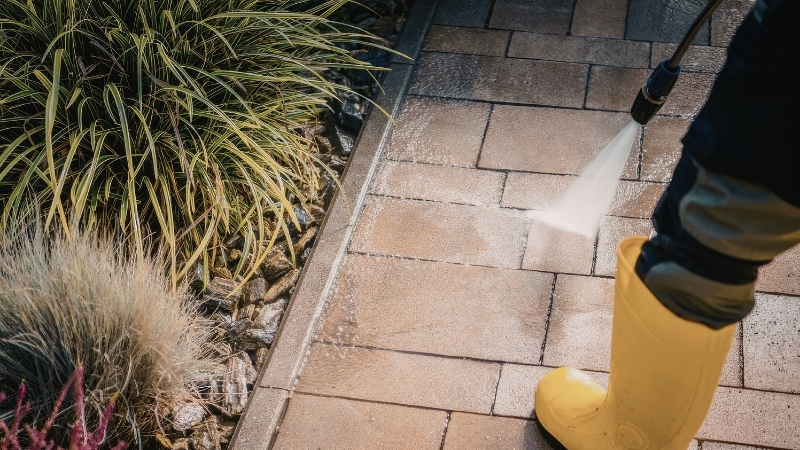
Soft washing is not a new concept in professional cleaning, but it's still underappreciated by Sydney homeowners who default to pressure washing for any exterior cleaning task. Understanding what soft washing is, how it works, and why it's often the superior choice can save you from costly mistakes and keep your home's exterior looking its best for longer.
How Soft Washing Works
Soft washing combines low water pressure (typically under 500 PSI — far below a standard garden hose's pressure) with specially formulated cleaning solutions. These solutions contain surfactants, algaecides, and biocides that break down and kill the organic growth — algae, mould, lichen, and mildew — at a biological level.
Once the cleaning solution has had time to dwell on the surface (usually 5–15 minutes depending on the product and level of contamination), it's rinsed away gently. The result is a clean surface that stays cleaner for longer because the organic growth has been killed, not just displaced.

Why Soft Washing Lasts Longer Than Pressure Washing
Pressure washing removes visible growth mechanically — it scrapes it off the surface. But if the surface is porous (render, stone, brick), the root systems of algae and lichen remain embedded. Within weeks or months, the growth returns from those embedded roots.
Soft washing kills the organism entirely. The growth doesn't return nearly as quickly because there's nothing alive left to regrow. This is why professional soft washing results typically last 18 months to three years on a treated exterior, while pressure-washed surfaces often look dirty again within six to twelve months.
Surfaces Where Soft Washing Is Essential
For Sydney homes with the following surfaces, soft washing is not just preferable — it's the only appropriate method:
- Acrylic render: The most common modern exterior finish. High pressure will cause bubbling, cracking, and loss of adhesion.
- Terracotta roof tiles: Pressure washing strips the glaze and protective coating permanently.
- Concrete roof tiles: Surface paint or sealer is removed by high pressure, leading to rapid re-contamination.
- Painted weatherboards: High pressure forces water behind the boards and causes peeling and rot.
- Colorbond and metal cladding: The paint system on Colorbond is damaged by high pressure; soft washing maintains it without risk.
Common Sydney Exterior Problems That Soft Washing Addresses
In beachside and coastal suburbs like Coogee, Maroubra, and Randwick, black algae and green slime build up on rendered walls particularly quickly. The combination of sea spray, humidity, and UV creates ideal conditions for biological growth. Homes in shaded streets in Newtown and Glebe face similar problems due to reduced sunlight allowing mould to establish on south-facing walls.
Roof tile staining — the black streaking often seen on concrete and terracotta roofs — is caused by cyanobacteria (a type of algae). Soft washing with an appropriate biocide solution removes this staining and prevents it from returning for years.
What a Professional Soft Wash Involves
A professional soft washing service includes surface assessment, application of cleaning solution at the correct dilution and dwell time, rinsing at low pressure, and post-treatment inspection. Products should be biodegradable and safe for gardens and drainage systems — ask your provider about this, particularly if you have landscaping close to the treated surfaces.
HomeKeep's exterior cleaning service uses soft washing methodology for appropriate surfaces, ensuring your home's exterior is cleaned effectively without the risk of damage that DIY pressure washing carries.


